
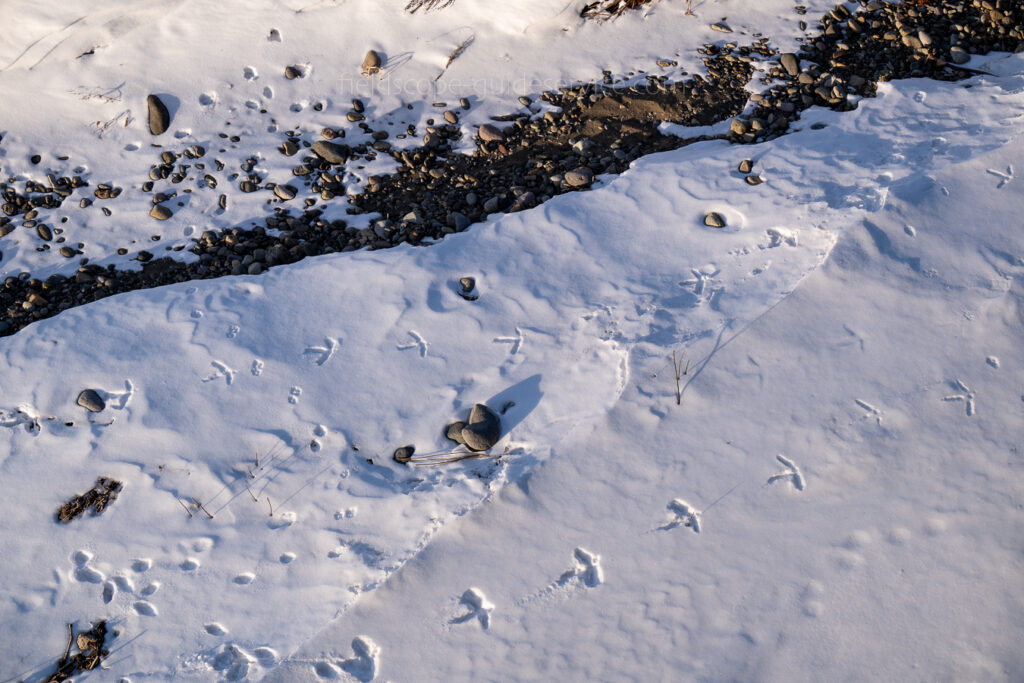
冬の撮影ガイドがトップシーズンを迎えて、日々のガイドとゲストへのメール対応やリサーチなど忙しく過ごしています。今シーズンは厳冬期が短く感じて、痛いくらいの寒さは早くも過ぎ去り、春の兆し。というか冬の終わり。毎日、毎日、エゾモモンガやキタキツネや野鳥たち、そして森の雪や樹々を眺めていると、冬が去る瞬間がわかるようになってきました。ある日、いつものようにアラームより先に目覚めた4:30am。外に出ると匂いが違う、肌で感じる季節の移ろいです。
白鳥のねぐら立ちが早くなったなとか、クマゲラの帰宅が遅くなってきたな、とか。エゾモモンガの巣穴も根開けとともに一冬の糞やオシッコの痕跡がまとめて出てきて、ぷーんと匂い出す。そんな巣穴の根元に寝転がって、ゲストと一緒にモモンガの滑空を待つのも楽しいガイドの一場面。畑の雪が溶けて土が出るとデントコーンやミミズを食べにタンチョウも帰ってきました。
ダイヤモンドダストや毛嵐は、どこへ?
厳しく美しい極寒の冬の景色は今後さらに貴重なものとなるのかもしれません。その一瞬を大事にしないと、キラッと光るのは本当に短いひと時です。
Winter photography guiding has reached its peak season, and my days are filled with guiding, responding to guest emails, and field research. This season, the period of severe cold felt unusually short. The piercing, painful chill has already faded, replaced by signs of spring—or rather, the end of winter.
When you spend every single day observing the Ezo Momonga, red foxes, and wild birds, watching the snow and the trees of the forest, you begin to recognize the exact moment winter departs. One day, waking up at 4:30 AM as usual—just before my alarm—I stepped outside and noticed the scent had changed. It is a transition of seasons that you feel directly on your skin.
The swans are leaving their roosts earlier, and the Black Woodpeckers are returning home later. As the snow melts around the base of the trees, the accumulated traces of a winter’s worth of Ezo Momonga droppings and urine emerge, releasing a distinct scent. Lying down at the foot of such a tree with my guests, waiting for the squirrels to glide, is one of those joyful moments of guiding. As the soil appears in the melting fields, the Red-crowned Cranes have also returned to feed on dent corn and earthworms.
Where did the diamond dust and the frost smoke go? The scenery of a harsh yet beautiful, frozen winter may become increasingly precious in the years to come. We must cherish those moments; that brilliant, sparkling light truly lasts for only a fleeting instant.
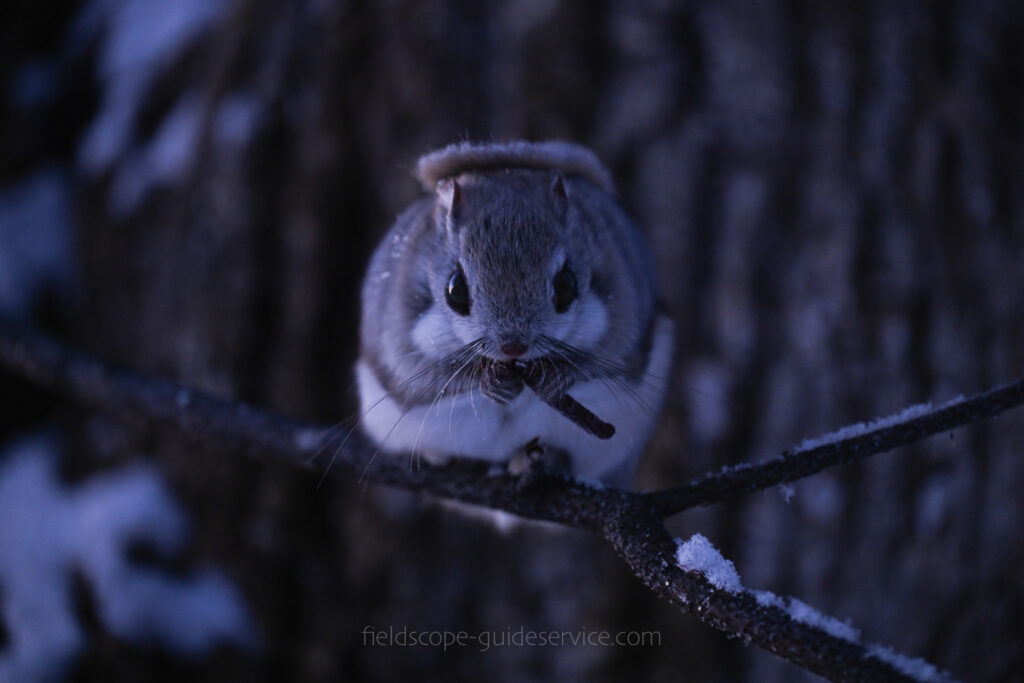
エゾモモンガのヒゲが凍ったのは、わずか数日。
1月の終わりが一番冷えたかな?何人かのラッキーなゲストは指先の感覚が無くなるまで、マイナス20℃を味わうことができました。
そこから一気に暖かくなり、平野部の巣穴が不安定に。早朝モモンガの帰りを待っているとエゾフクロウが襲ってきたり、モモンガの数が減ってしまったり、これが当たり前の自然の厳しさかと痛感して、新規の巣穴探しも苦労しました。少ないオフの日は新規リサーチでノーモモ(巣穴で待ってもモモンガに会えないこと)も日常に・・・。でも思い返せば、今シーズンは今の所、ゲストのノーモモはゼロ!こっちの巣穴に行くか、あっちの巣穴に行くか、悩むことはあっても正解を選べたようです。
The days when the Ezo Momonga’s whiskers were covered in frost lasted only a short while. I think the end of January was the coldest. A few lucky guests got to experience minus 20 degrees Celsius until they lost all sensation in their fingertips. From there, the temperature rose abruptly, and the nesting holes in the lowlands became unstable.
While waiting for the squirrels to return in the early morning, we witnessed the harshness of nature firsthand—sometimes an Ural Owl would swoop in to attack, or the number of squirrels in a particular hole would suddenly decrease. Finding new nesting sites was a struggle. On my few days off, I spent my time scouting, often ending the day with “No-Momo” (waiting at a hole but never seeing a squirrel).
However, looking back, our guests have had zero “No-Momo” sightings so far this season! Whether to head to this nesting hole or that one—even when the choice was difficult, it seems I managed to choose the right answer every time.
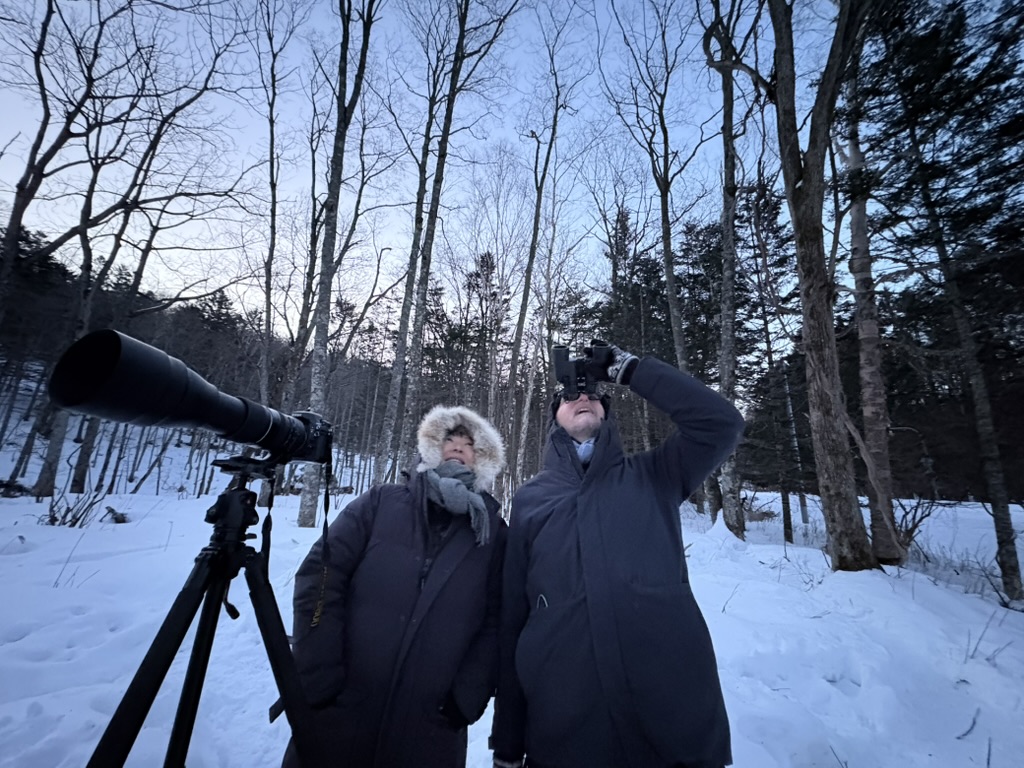
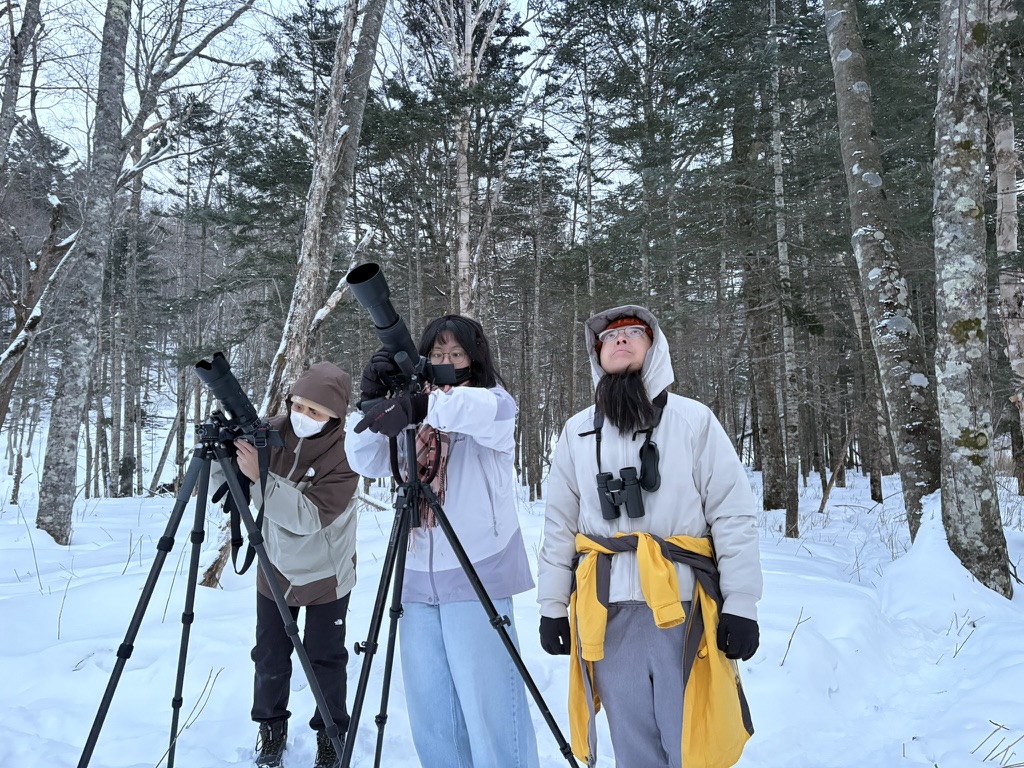
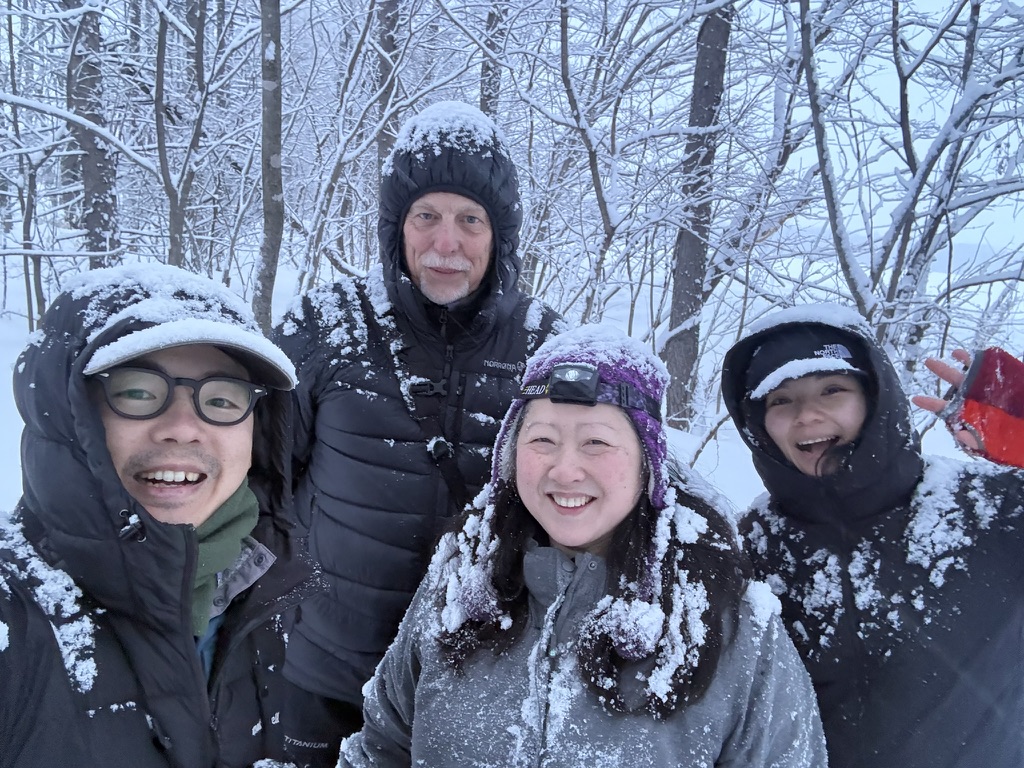
本当にいろんな国からお客さんが来ます。あんなに小さい哺乳類を見るためだけに、はるばる東の果てまで。少しでも撮影チャンスを、特別な瞬間を見られるように、普通の人が見ないところまで細かく観察しています。それが普通になったので、どうして皆んな気がつかないんだろうと思うこともあります。だけど分かりやすく、それを伝えるのがガイドの役割なので、それで良いのです。
日本人の多くのリピーターの皆様にも支えられています。来年、再来年まで予約を入れてくださるお客様、本当にありがとうございます。リピーターのゲストとは初めてのモモンガではない楽しみ方があります。より良い写真を撮るためには、さらにチャレンジが必要で、それがガイドのやる気を上げてくれます。わずかな可能性に賭けるゲストの気概に圧倒され、ヨシ!と気合が入ります。これも最高に楽しいスパイスです。
People travel from so many different countries to see us. It is incredible to think they come all the way to this far eastern corner of the world just to catch a glimpse of such a tiny mammal. To give them even a small window of opportunity, or a chance to witness a truly special moment, I observe the forest in far greater detail than most. Because this has become my “normal,” I sometimes find myself wondering why others do not notice these subtle signs. But then I remember: my role as a guide is to take those hidden details and translate them into something clear and meaningful. And that is exactly how it should be.
I am also deeply supported by many repeat guests from within Japan. To those of you who have already booked for next year or even the year after, thank you from the bottom of my heart. With returning guests, there is a different kind of joy that goes beyond seeing a squirrel for the first time. To capture even better photographs, we must take on greater challenges, and that pushes my motivation to a new level. I am often overwhelmed by the sheer spirit of guests who are willing to bet on the slightest possibility—it makes me say “Yosh!” and fires me up. That energy is the best kind of spice for this job.
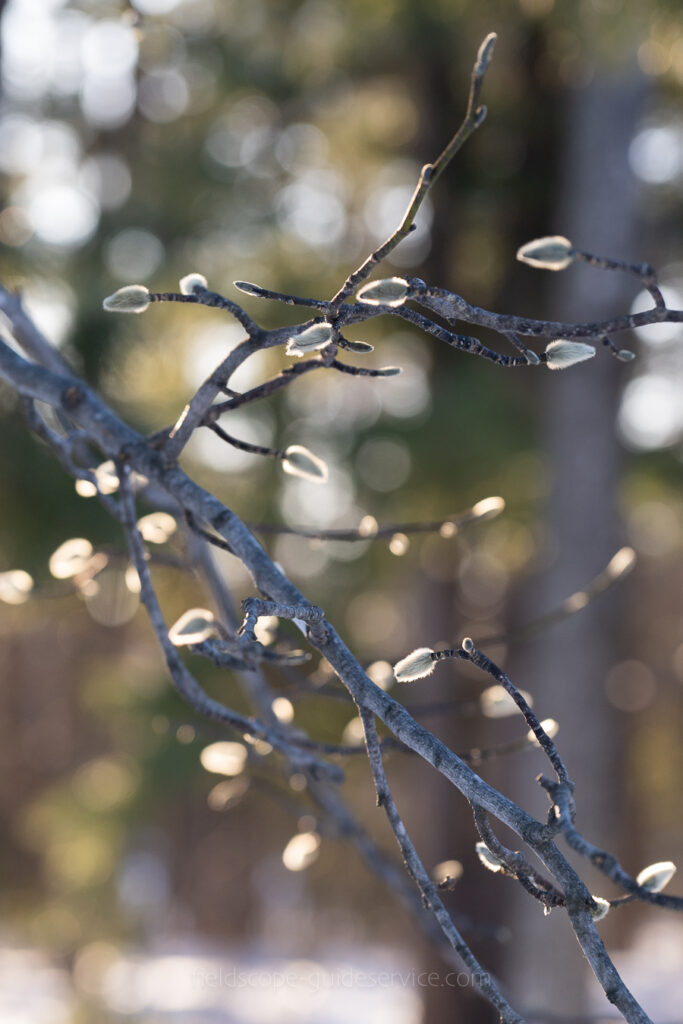
撮影ガイドの内容も年々変わりつつあるなと感じます。
はじめにロケーションありきでリサーチするようにもなりました。
野生動物と場所、そこに天候などの光のコンディション、この3つが整って、そこで撮った写真を見てもらうとミヤマカケスでさえ撮りたいと思える仕上がりになることがあります。
だけど私は写真家ではなく、ガイドです。
自然に隠されたヒントから、その舞台を探し出す過程にこそ大切なことが詰まっている気がします。
バランスって難しいですね。
I feel that the nature of photography guiding is changing year by year. I have started to focus my research on locations first. When the three elements—the wildlife, the location, and the lighting conditions—align perfectly, even a common bird like the Eurasian Jay (Miyama-kakesu) can result in a photograph so stunning that everyone wants to capture it.
However, I am a guide, not a photographer.
I feel that the most important things are found in the process itself—in deciphering the hidden hints left by nature and searching for the stage where the story unfolds. Finding the right balance is difficult, isn’t it?
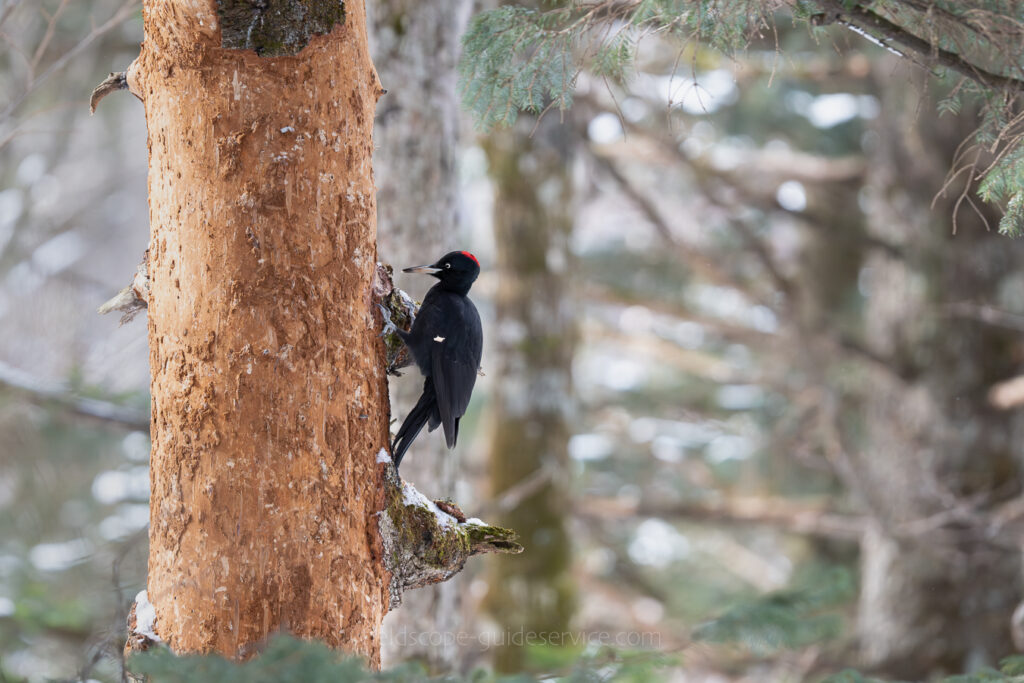
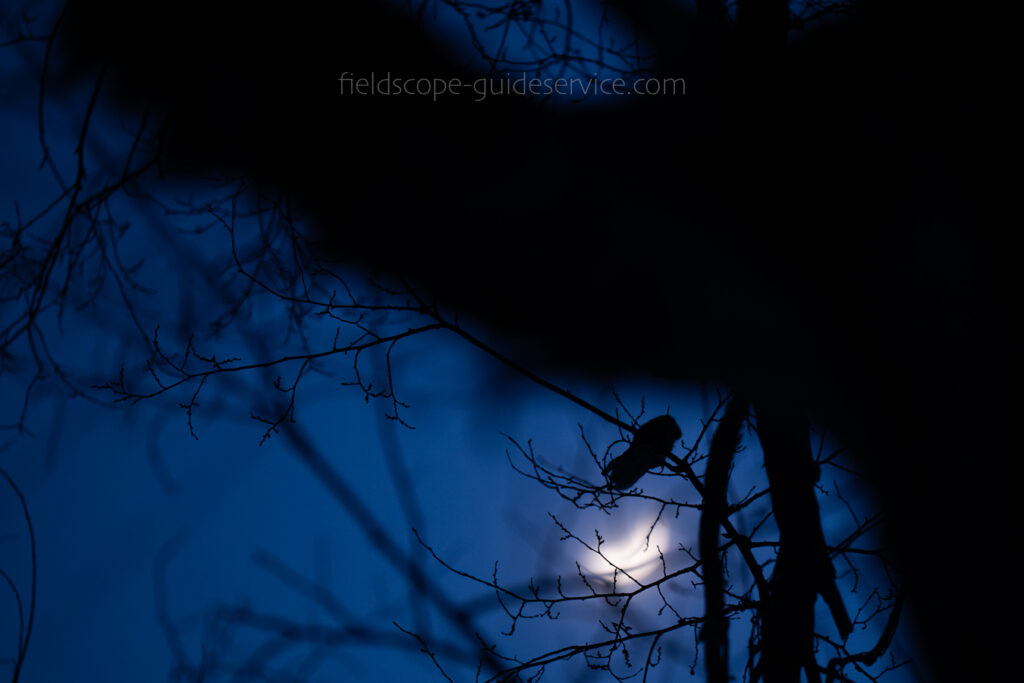
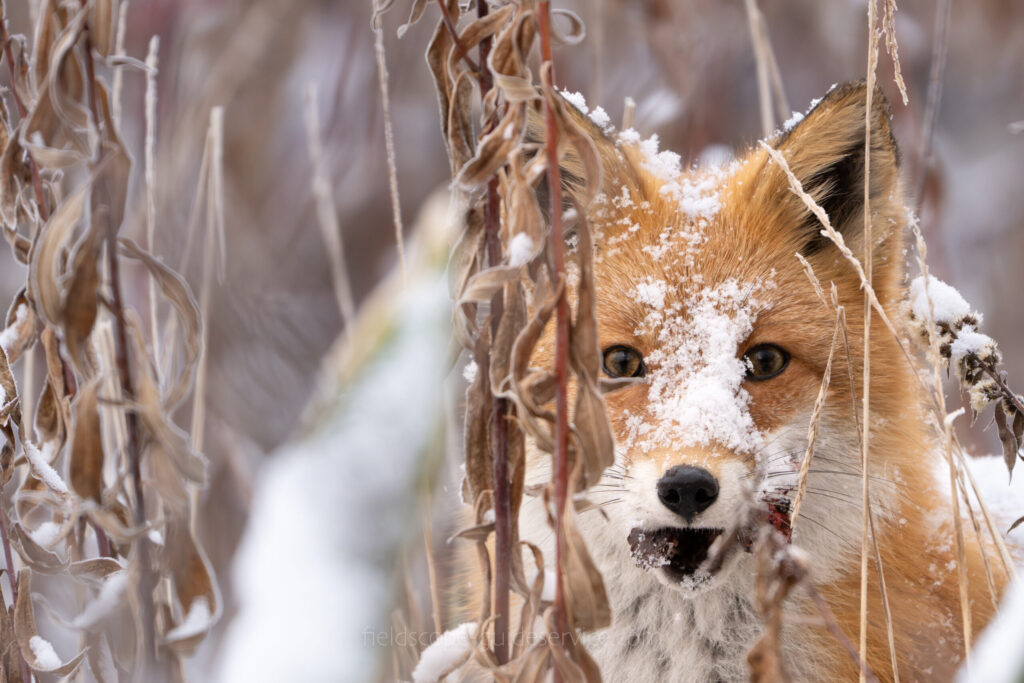
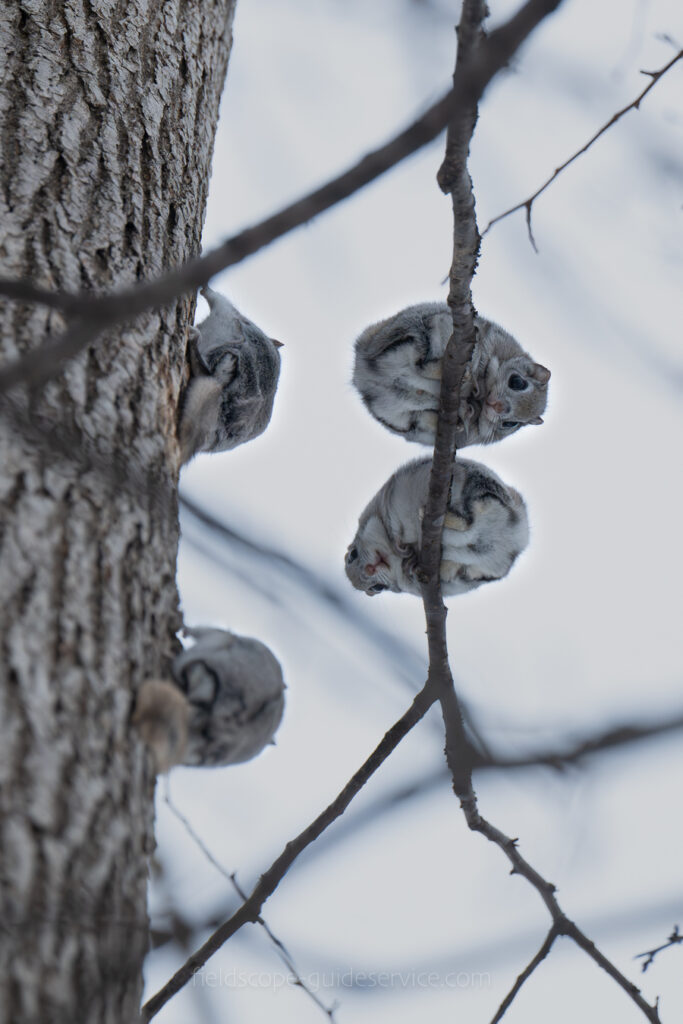
たくさん写真は撮ったけど、ブログの更新も現像も全く追いつかなくなってしまいました・・・。
それぞれ、語りたいところだけど、まだガイドの日々がしばらく続きます。とにかく写真の削除と選別だけでも。
あとはもう少しブログを書きたいけど。
I have taken so many photos, but I simply cannot keep up with developing them or updating this blog. There is so much I want to share about each moment, but my days as a guide will continue for a while longer. For now, I am just trying to keep my head above water by deleting the extras and selecting the best shots. I really want to write more here, but…
モモンガも冬も、もうちょっと!
あとちょっとだけ冬よ、頑張れ。
ついでにグリーンシーズンの予約状況のお知らせです。フライフィッシングのゲストが冬のブログを見てくれているか、分かりませんが。
2026年5月、まもなく満員です。
2026年6月、完売しました。
2026年7月、まもなく満員です。
2026年8月、9月、10月、まだ空きあります。
早く釣りがしたいですね!ボートやエンジンの整備しないと。
Just a little more time with the Momonga and the winter! Stay with us just a bit longer, winter—hang in there.
By the way, here is an update on the booking status for the green season. I am not sure if my fly fishing guests are keeping up with this winter blog, but here it is:
May 2026: Almost fully booked. June 2026: Sold out. July 2026: Almost fully booked. August, September, and October 2026: Still have some availability.
I can’t wait to get back on the water! I’d better start getting the boat and the engine ready.