
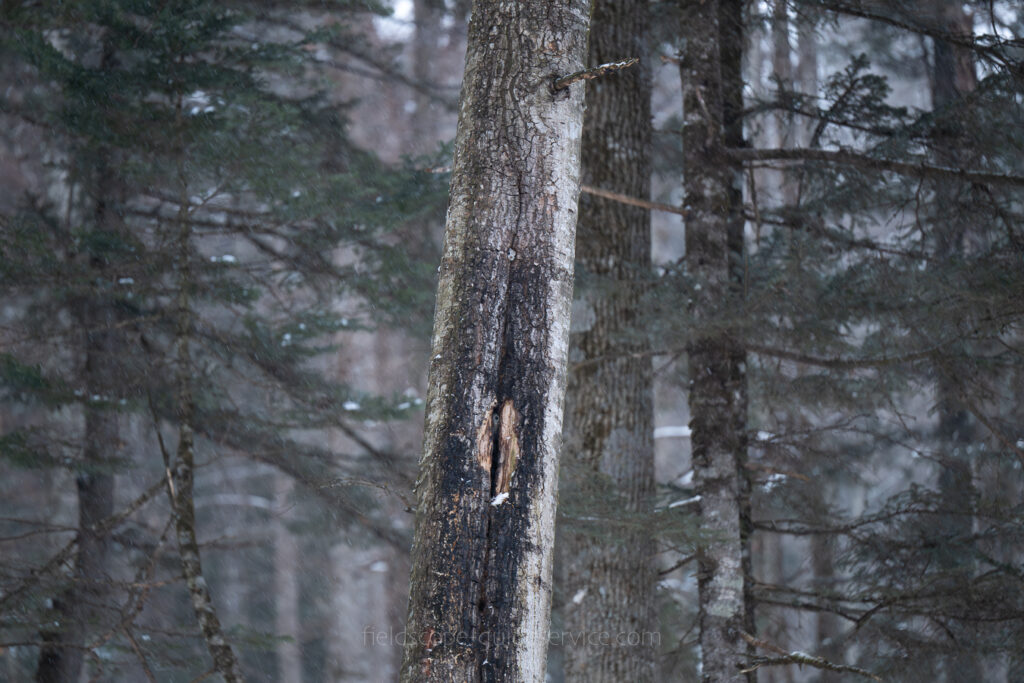
今年もホワイトシーズンのガイドが無事終了しました。
振り返ってみるとモモンガたちに会えなかった日は1日も無く、チームのおかげもあって更に精度が上がり、高い再現性と新しい発見にも恵まれた冬でした。有難いことですが・・・年々、予約が増えてシーズン中に一人でゆっくり森を歩く時間が少なくなって来ました。それでも隙を見ては気になる場所を歩くようにしています。
んん?という不思議、あれ?という気づき。ゆっくりと歩くとポロポロと見つかるものです。これが自分の原動力になり、楽しみであり、ゲストの満足度にも繋がると信じて。
The white season has come to a successful close once again.
Looking back, there wasn’t a single day we missed a glimpse of the Hokkaido flying squirrels. Thanks to the incredible support of my team, our tracking precision reached new heights this winter, rewarding us with both consistent sightings and thrilling new discoveries.
I am deeply grateful for the growing number of bookings each year, though it means my quiet, solitary walks through the forest have become a rare luxury. Even so, I make a point to steal away for a few moments whenever I can to explore the areas that piqued my curiosity.
A subtle “hmm?” at a strange track, or a quiet “aha!” in a sudden realization—these small, hidden wonders only reveal themselves when you slow down your pace. I believe that these humble discoveries are the very fuel for my passion, my greatest joy, and ultimately, the key to providing an unforgettable experience for my guests.
暖かい冬でモモンガたちの餌が豊富なシーズンでした。
どこのハンノキも雄花をたくさん付けて、巣穴から出るとすぐに十分な量の餌場があり、一冬越すのにあまり苦労していないように見えます。
1月までに集合したモモンガの安定が崩れて、平野部の巣穴で明るい時間に出なくなった理由も短い厳冬期にあるのかな?という感じです。
日々の観察を続けているのでモモンガが出てくれなかったらどうしよう・・・と心配することも少なくなりました。地道なリサーチは次のガイドをリラックスして自分も楽しむために欠かさないこと。
だからこそ季節の変わり目で変化の多い3月でも、プランBからプランDくらいまで、手数が増えてくれます。
あっちもこっちも平野部のモモンガの巣穴がダメになった時も、ヤバいぞ〜といいつつ、そんな状況でもワクワクできました。
It was a mild winter, and a bountiful season for the flying squirrels.
Every alder tree was heavy with male catkins, providing a feast right outside their burrows. It seemed they barely struggled to survive the winter. I suspect the short, mild deep-winter period might be why the stable groups we saw in January shifted, and why they stopped appearing during daylight hours at the lowland burrows.
Through constant daily observation, the anxiety of “what if they don’t show up?” has faded. For me, consistent research is essential—it allows me to relax and truly enjoy the next tour myself.
That is why, even in a month like March where the changing seasons bring constant shifts, I find myself with a wealth of options—from Plan B to Plan D. Even when one lowland burrow after another went quiet, and I thought, “This could be trouble!”, I found myself feeling a sense of excitement in the challenge.
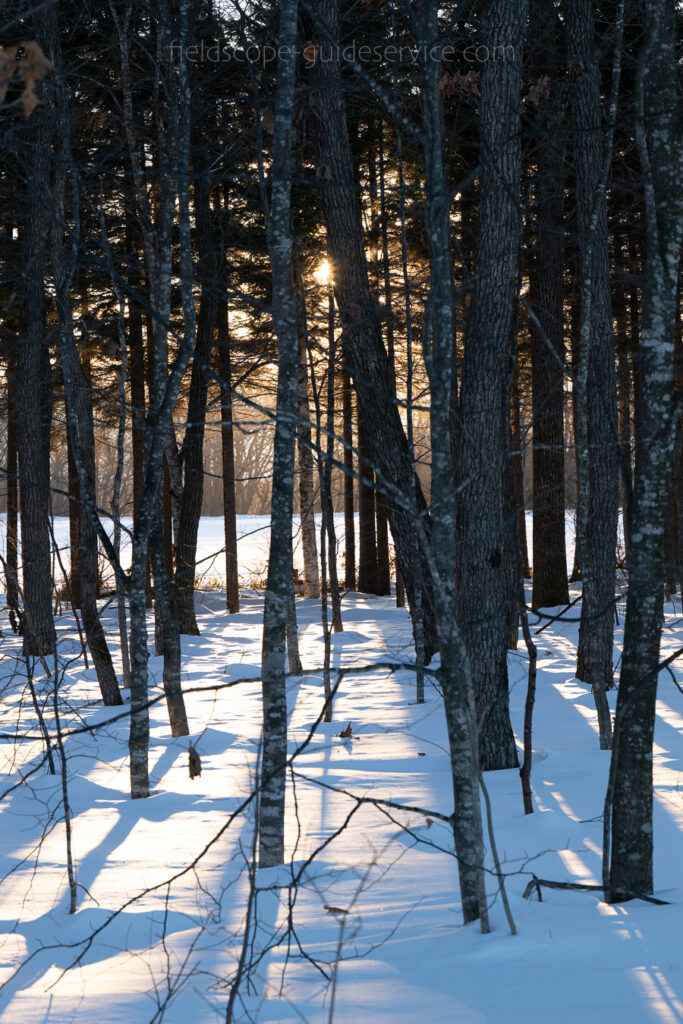
ガイドは地域に根ざすもの。
今まで双眼鏡で動物のポートレイトばかり撮影していましたが、レンズを少し短く、引いて自然を観察することで、野生動物の生態だけじゃなく、人と自然の関わり、土地の文化、植物、そういう所の繋がりが見えるようになってきました。
人という観測者が居て、自然に癒されたり、失ってほしくないと願う気持ちが生まれます。自然が好きな人たちや、そうでも無い人たちが、それぞれの想いでバランスを保とうとしている様子も自然の一部?
撮影する人、しない人、散歩する人や、住んでいる人、木を切ろうとする人、利用するひと。
切り離せない問題も観察するほどに見えてきました。
ガイド仲間とも、そんな話を時々して、目の届く範囲で見守りたい気持ちが強くなります。
Guiding is something that must be rooted in the community.
For a long time, I viewed the world through binoculars, focusing solely on capturing “portraits” of animals. But recently, by pulling back—shortening my lens and observing nature from a broader perspective—I’ve begun to see more than just the ecology of wildlife. I’ve started to perceive the intricate connections between people and nature, the culture of the land, the plants, and how it all intertwines.
When we, as human observers, engage with the wild, a desire is born—to be healed by nature, and a longing for it not to be lost. Perhaps the way people who love nature, and even those who don’t, strive to maintain their own sense of balance is itself a part of the natural cycle?
Those who photograph, those who don’t. Those who walk, those who live here. Those who harvest the timber, and those who utilize the land. The more I observe, the more I see these inseparable complexities.
I often share these thoughts with my fellow guides. It only strengthens my resolve to watch over this land, as far as my eyes can reach.
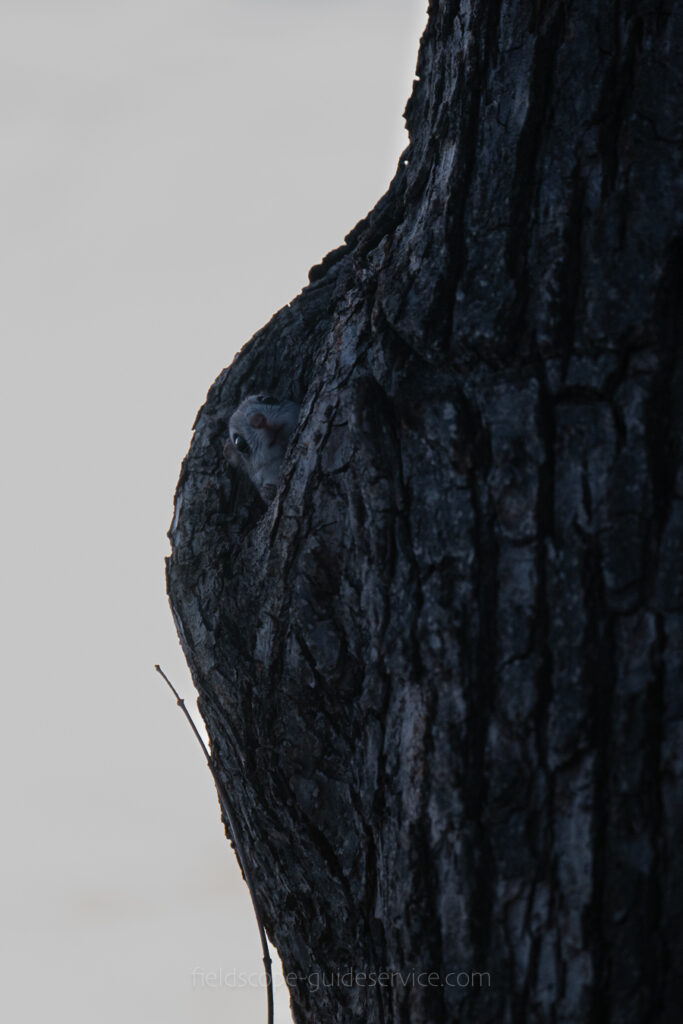
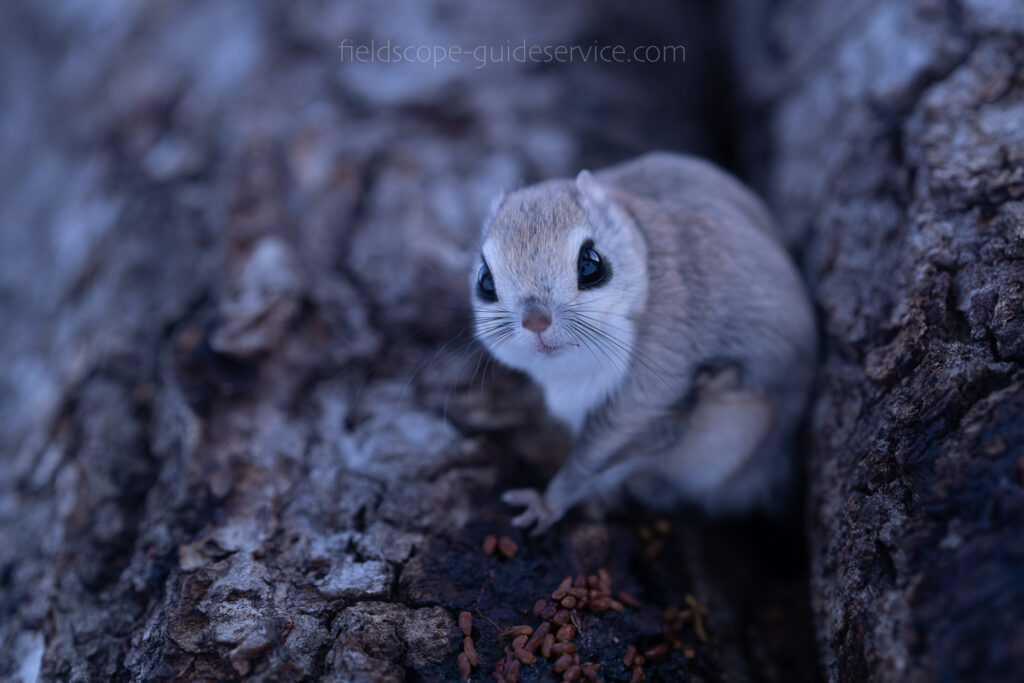
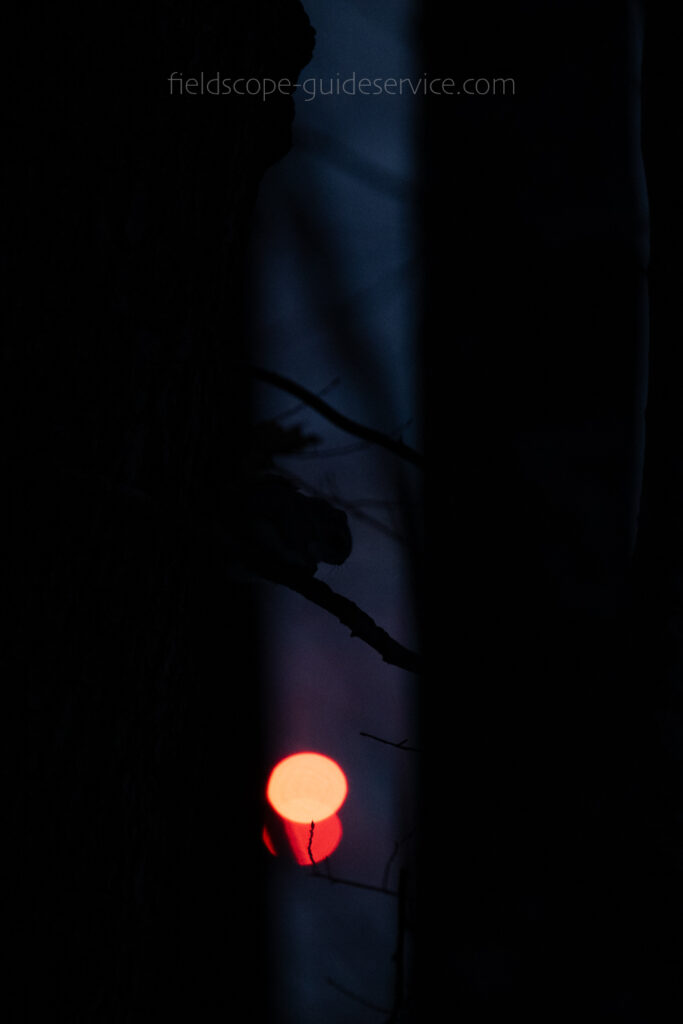
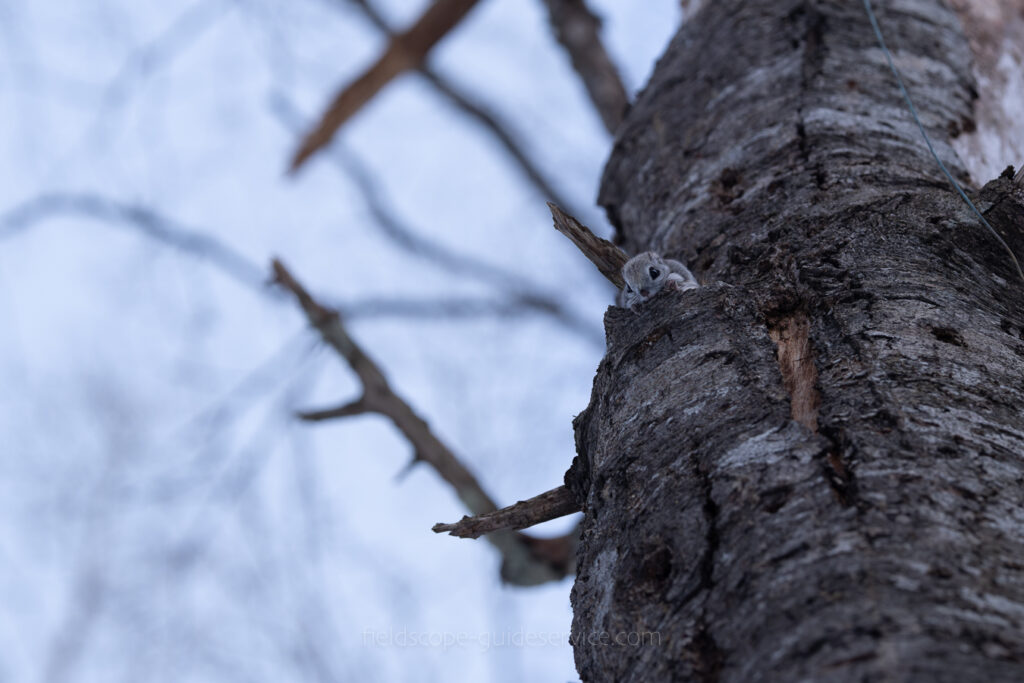
平野部のモモンガたちの出巣時刻が遅くなった2月の繁忙期。
半日ガイドの空き時間の夕暮れか早朝に繰り返し、リサーチをして、どこか一つでも撮影に良い場所がないかと巣穴を一人で巡りました。
現像していて気がつきましたが、そんな中で撮影した写真に印象深いものが多いのが不思議。
暗い中で、エゾモモンガという生き物をどう切り取るか、考えながら静かに撮影しました。
February’s peak season brought a challenge: the flying squirrels in the lowlands began emerging much later than usual.
Between my half-day tours, in the fleeting light of dusk or the biting chill of dawn, I repeatedly scouted the forest alone. I visited burrow after burrow, searching for even a single spot that would offer a good vantage point for photography.
As I developed the RAW files later, I noticed something strange—many of the photos taken during those solitary, difficult hours are among the most evocative and memorable.
In the deepening shadows, I worked in silence, contemplating how to truly capture the essence of the Hokkaido flying squirrel. Each frame was a quiet meditation on how to frame their existence within the dark.
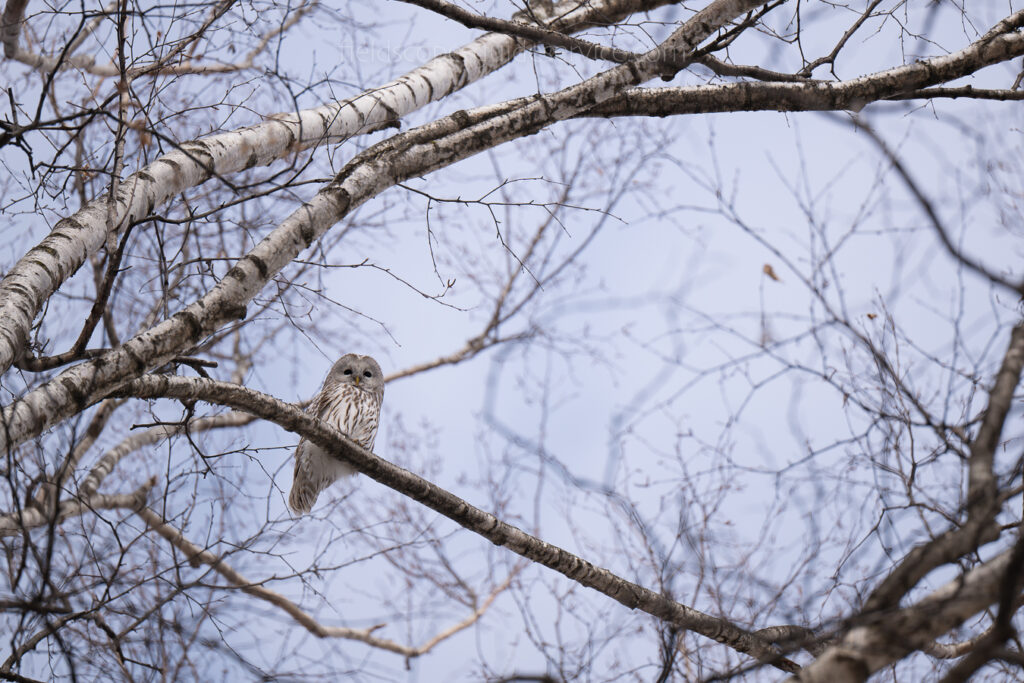
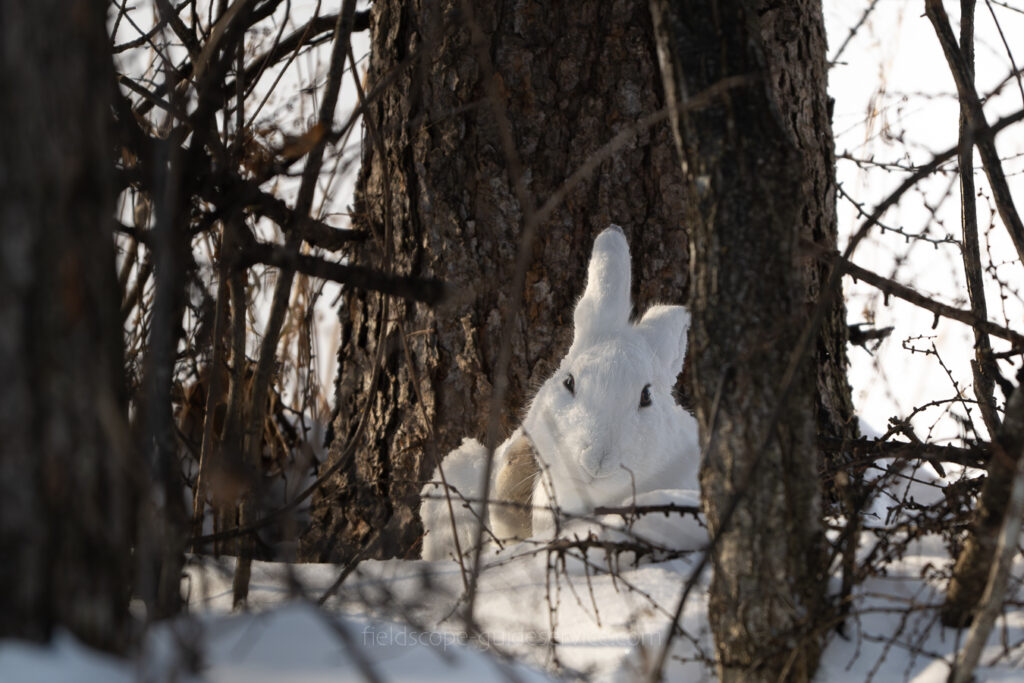
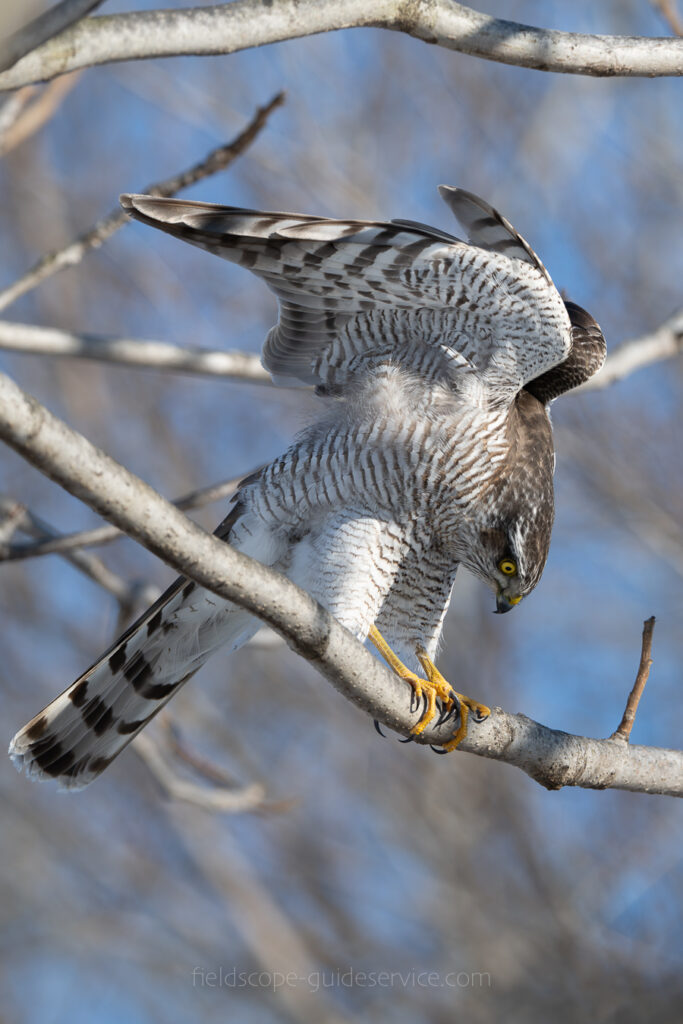
エゾモモンガは早朝と夕暮れの2回のチャンスですが、日中にも色々な出会いがあります。早朝のモモンガの後、車中で暖かいコーヒーを飲み、最近よく見れている動物の話をしながら予定を組みます。
移動の時間にも野生動物は神出鬼没。
突然の出会いに備えて、カメラはいつも膝の上です。
While our main windows for the Hokkaido flying squirrels are at dawn and dusk, the forest offers countless encounters throughout the day.
After our early morning session with the squirrels, we take a moment in the car to warm up with a hot cup of coffee. As we sip, we discuss the recent wildlife sightings and tailor our plan for the hours ahead.
Even during transit, the wild is unpredictable and full of surprises. Wildlife can appear out of nowhere at any moment, so I always keep my camera ready on my lap, braced for that sudden, magical encounter.
3月になると毎日変化の連続です。
小鳥は囀り始めて、シマエナガも巣作りの準備。エゾモモンガは繁殖期に入るので、日中の明るい時間に出ることもあります。運良く当たったゲストは明るい時間に雄と雌が追いかけっこして飛び回る姿を撮影できました。
エゾユキウサギの行動が活発になったのも3月からで、明るくなっても餌を食べて行動している姿を確認できました。シマエナガの巣作りは中々見つからず、やっと最近一つ発見です。
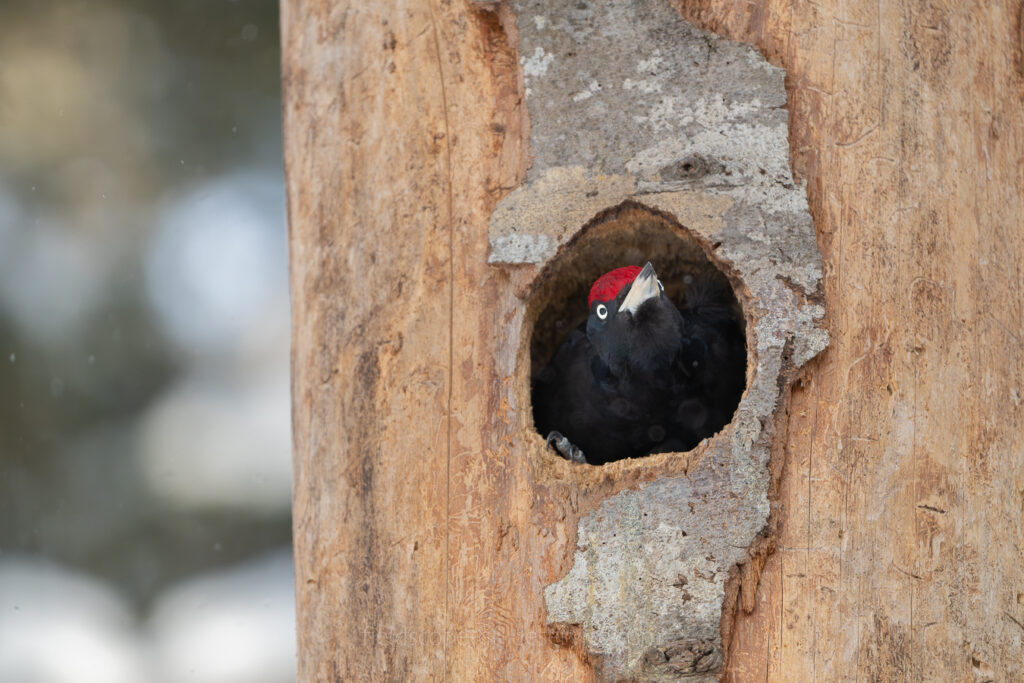
シマエナガの巣作りと雛のエナガ団子。クマゲラの子育て。子ギツネの観察と撮影。ユキウサギの繁殖行動。それと交尾を終えて定刻の薄暗い出巣に戻るエゾモモンガ。この辺りが早春のガイドとなりそうです。
冬が去って寂しいけど、4月と5月のフィールドリサーチから何が見つかるのか・・・。5月はイトウ釣りのガイドもあるので、ブログを更新する暇もなく過ぎ去りそうな気がします。
March brings a relentless wave of daily changes.
The small birds have begun their spring chorus, and the Long-tailed tits are busy preparing for nest-building. As the Hokkaido flying squirrels enter their breeding season, they occasionally emerge during the bright daylight hours. Some lucky guests were even able to capture photos of males and females chasing each other through the trees in the mid-day sun.
Since the start of March, the Hokkaido hares have also become significantly more active; I’ve spotted them foraging and moving about long after sunrise. While finding a Long-tailed tit’s nest is always a challenge, I finally managed to discover one just recently.
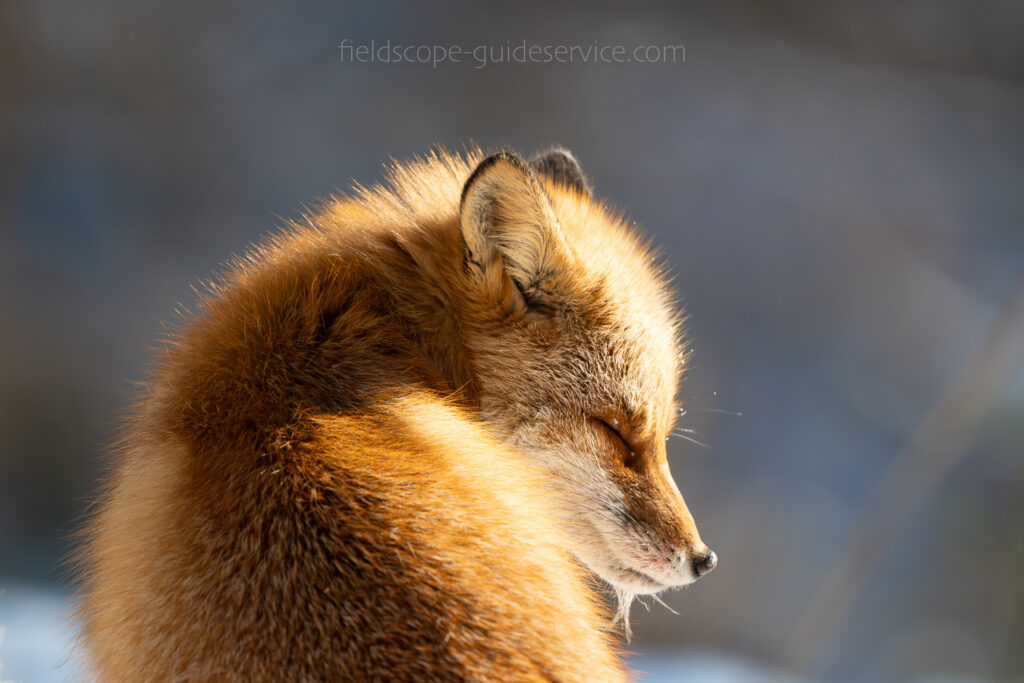
Our early spring guiding will soon focus on these seasonal highlights: the nest-building and the famous “Enaga-dango” (fledgling huddles) of the Long-tailed tits, Black woodpecker chick-rearing, observing Red fox cubs, and the breeding behaviors of the Hares. Meanwhile, the Hokkaido flying squirrels, having finished their mating, are returning to their punctual, twilight emergence.
I feel a touch of sadness as winter fades, but I am eager to see what my field research in April and May will uncover. With the Sakhalin taimen (Ito) fishing season starting in May, I suspect the days will fly by before I even have a moment to update this blog.
来シーズンの冬のガイド予約が埋まりつつあります。
2月は早くも残り半分です・・・。お問い合わせはコンタクトフォームからどうぞ。
寒〜い冬の北海道でお待ちしています!
The winter guide bookings for next season are filling up fast. February is already half-booked. Please feel free to reach out via the contact form on my website. I look forward to seeing you in the beautiful, crisp cold of Hokkaido’s winter!