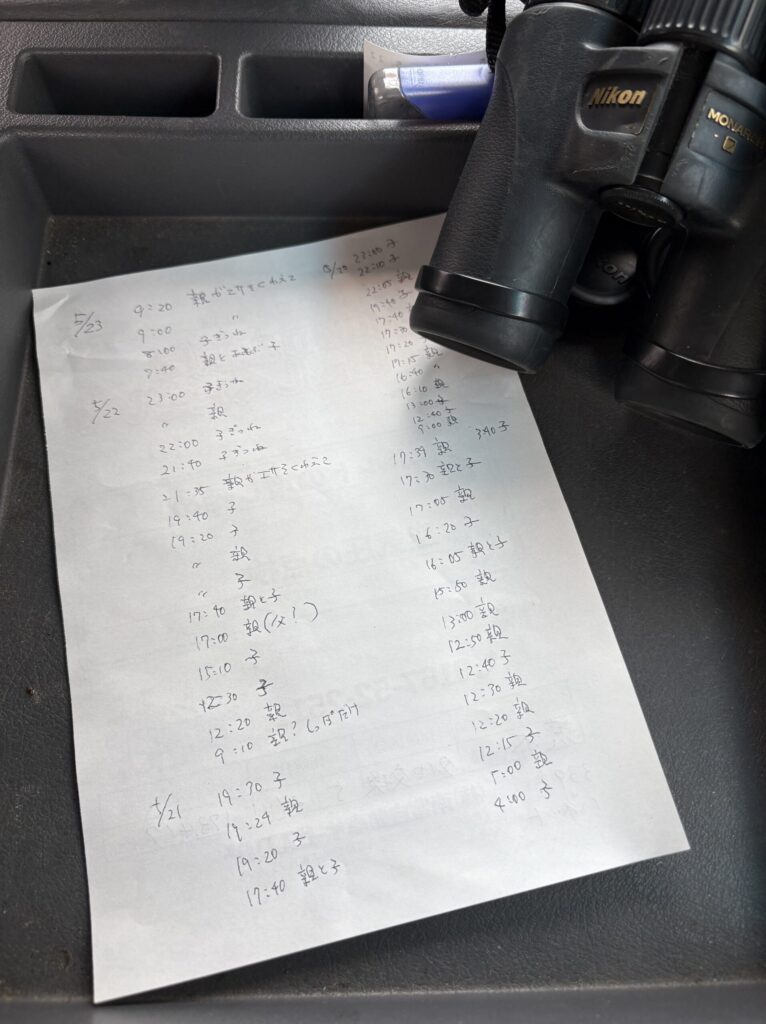
5月の撮影ガイドは新緑と気持ちの良い風。
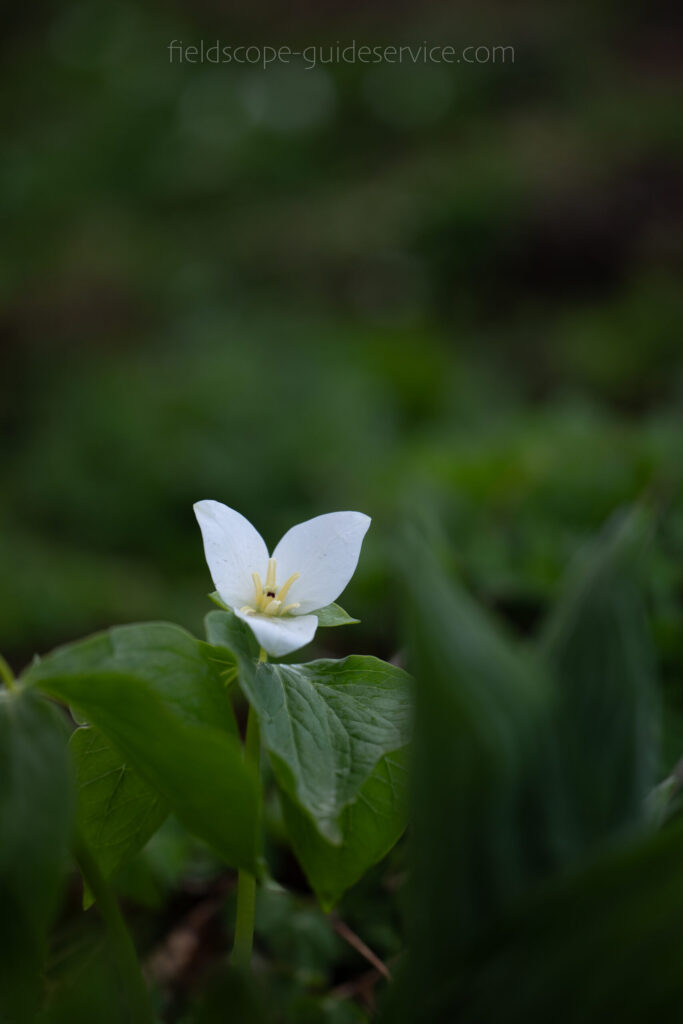
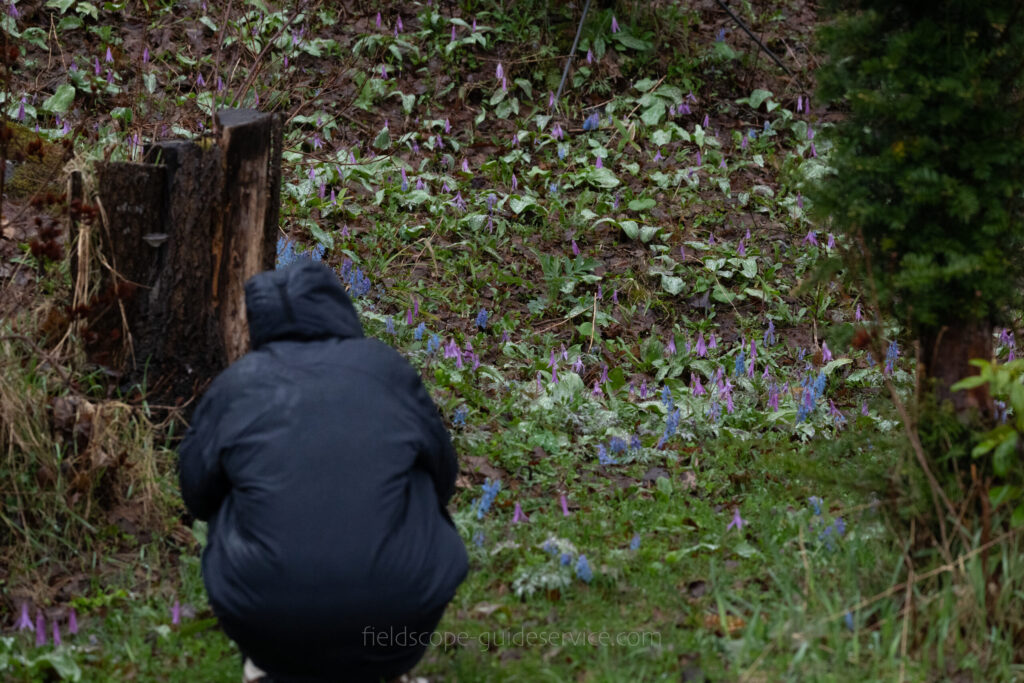
シマエナガの子育てやユキウサギの繁殖、キタキツネの子育て。エンレイソウのお花畑でシマエナガを待ち、さまざまなスプリングエフェメラルもみることができて、平野部にはヒメオドリコソウなど、春ならではのガイドとなりました。
May Photography Tours: Fresh Greenery and Breathtaking Spring Life
Our May photography tours are surrounded by fresh greenery and a gentle, pleasant breeze.
This is a very active and exciting season for local wildlife. During our walks, we can observe Shima-enaga and red foxes raising their young, as well as mountain hares during their breeding season.
We often wait to photograph the Shima-enaga in beautiful fields of blooming Trillium. As we explore the forest, you will also have the chance to see a wide variety of spring ephemerals.
Down in the plains, colorful flowers like the purple dead-nettle are blooming everywhere. It truly became a special guided experience that captures the unique beauty of spring in Hokkaido.
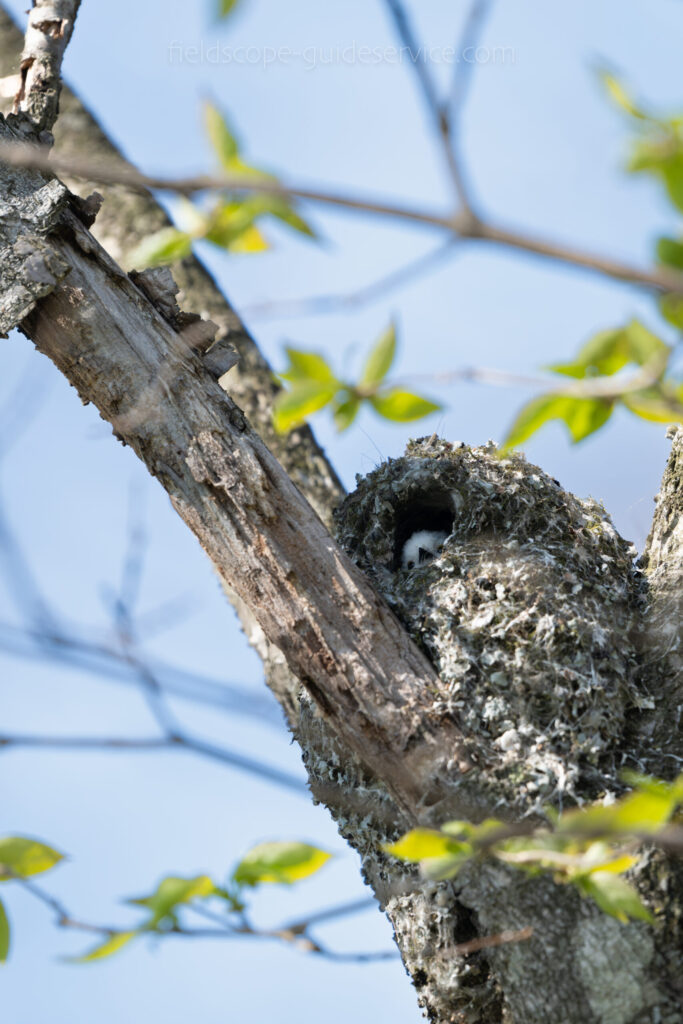
残念なことに一つだけ見つけて観察を続けていたシマエナガの巣は5月の中旬頃にカラスの襲撃で壊されてしまったので
今年もシマエナガ団子はお預けです・・・。
緑の葉っぱと、抱卵のために尻尾が曲がったメスの親鳥を確認して、それっきりとなってしまいました。
来シーズンこそ、ひな達に会ってみたいですね。
Unfortunately, the only Shima-enaga burrow I found and continued to observe was destroyed by a crow attack around mid-May. Because of this, I will not be able to see the famous “Shima-enaga dango” (an adorable cluster of fledglings) this year either…
The last thing I saw was the fresh green leaves and the mother bird with her tail bent from incubating her eggs, and that was the end of it.
It is a harsh reality of nature, but I truly hope to meet the chicks next season.
モモンガにも会いに行ってみました。
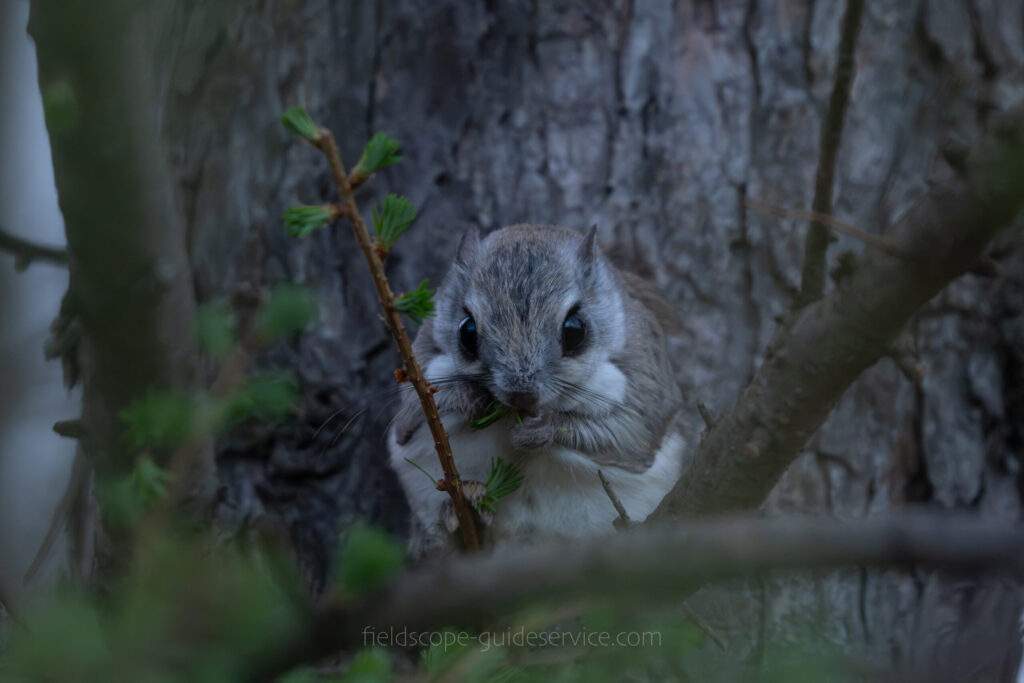
3月、4月の繁殖行動が終わって、定刻の出巣になると日が長くなるにつれて明るい時間に見られなくなっていきますが、この日はラッキーなことに発情したメスがいて、日没の1時間前から飛び回っていました。暗くなるまで撮影をしていると1匹のオスがカラマツで食事。みずみずしい新芽を夢中になって食べる姿は、やがてくる子育てに備えているようで、健気でした。
I also went to see the Hokkaido flying squirrels.
After the breeding season in March and April ends, as the days grow longer, they usually emerge from their burrows closer to dusk. This makes it much harder to see them in the daylight. However, we were very lucky on this day! There was a female in heat, and she was flying around an hour before sunset.
As I continued photographing until it got dark, I spotted a male feeding in a larch tree. The way he eagerly ate the fresh, juicy shoots made it seem as if he was preparing for the upcoming season of raising young. It was a very touching and admirable sight.
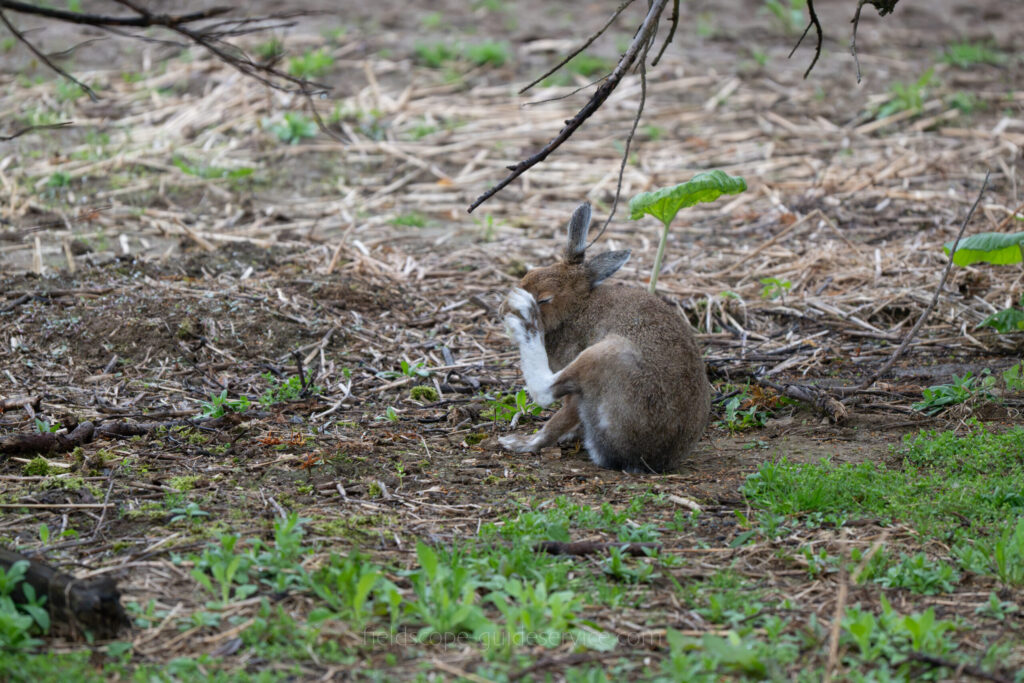
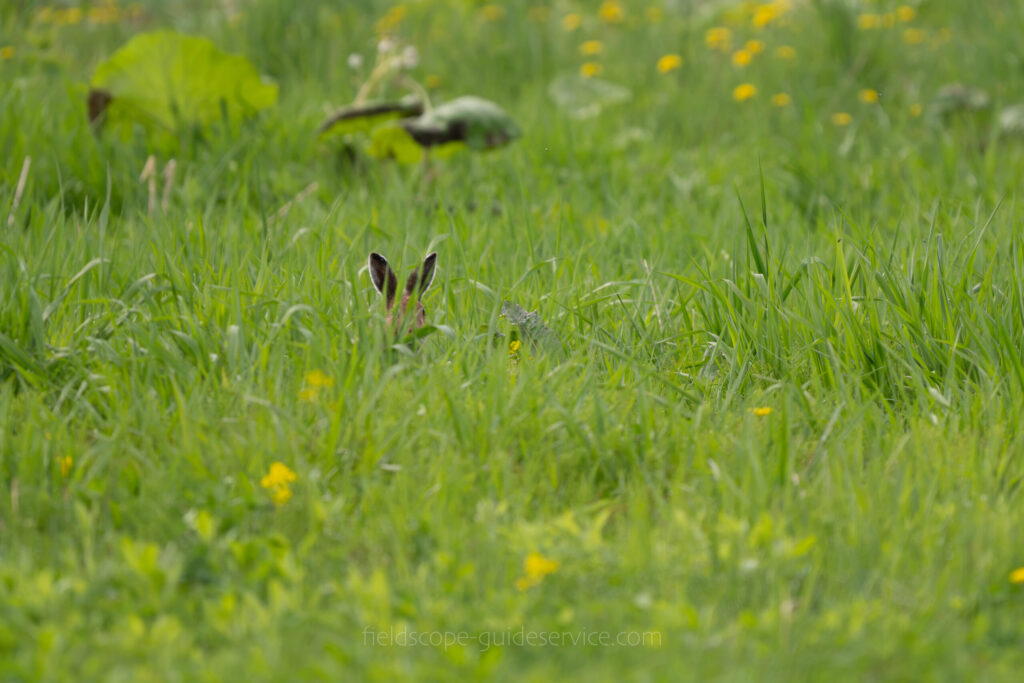
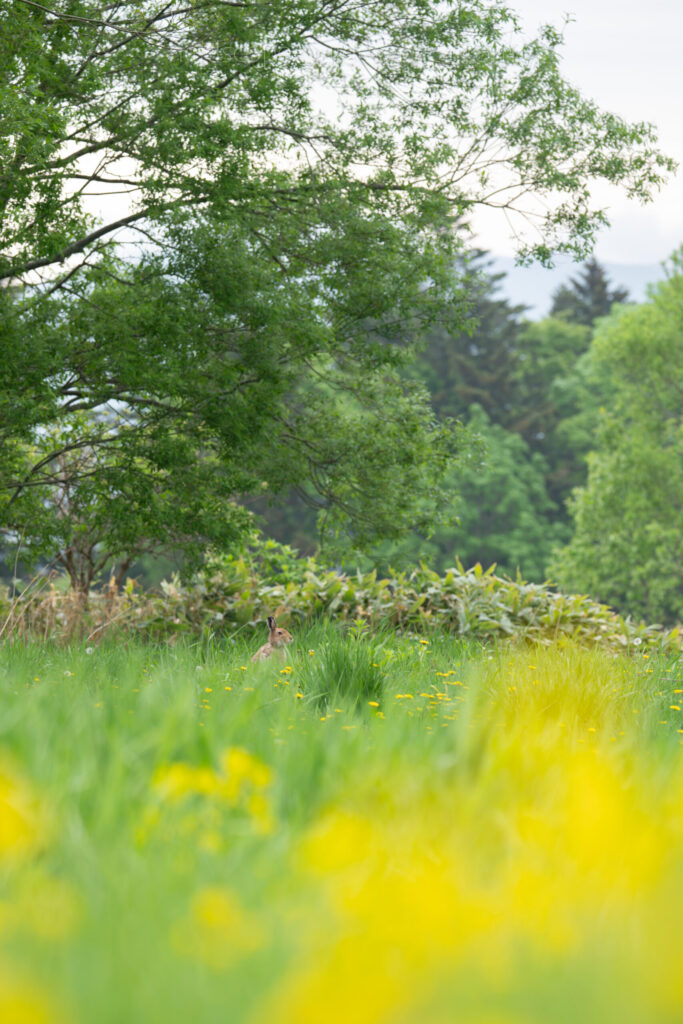
繁殖期を迎えて、発情したウサギたちが明るい時間から、多い時には一度に5〜6羽が追いかけっこしていました。
草原と畑を走り回る、エゾユキウサギ。突然、キタキツネが現れて目の前でチェイスが始まり、あまりの速さと近さで撮影は困難でした。
白くないユキウサギも可愛い?です。
まだまだ観察は始まったばかりで、どういう撮影ができるのか試行錯誤ですね!
With the breeding season underway, the hares in heat were chasing each other even during the daylight hours. At times, there were as many as five or six of them running around together.
The Ezo mountain hares were dashing across the grasslands and fields. Suddenly, a red fox appeared, and an intense chase began right in front of me! It was so fast and so close that it was impossible to take any photos.
The mountain hares are not white right now, but they are still quite cute, aren’t they?
My observations have only just begun, so it is still a process of trial and error to figure out what kind of photographs I can capture!
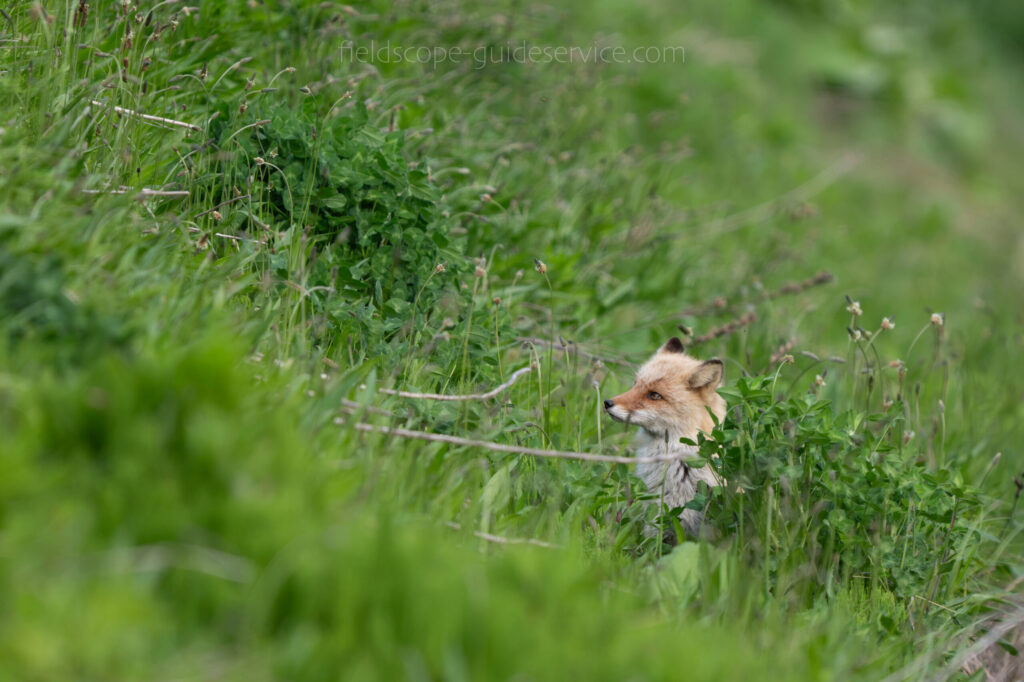
今年は雪解けも早く、季節の進みが早いのでキツネたちも巣穴から出てくるのが早くなるかな・・・と期待していたのですが、結局例年より遅くなりました。
たくさんあるキツネの巣穴ですが、エゾモモンガと同じで撮影に適しているかはリサーチしないとわかりません。
何時に出るのか、何匹いるのか。どういう行動を取るのか。日々観察でした。
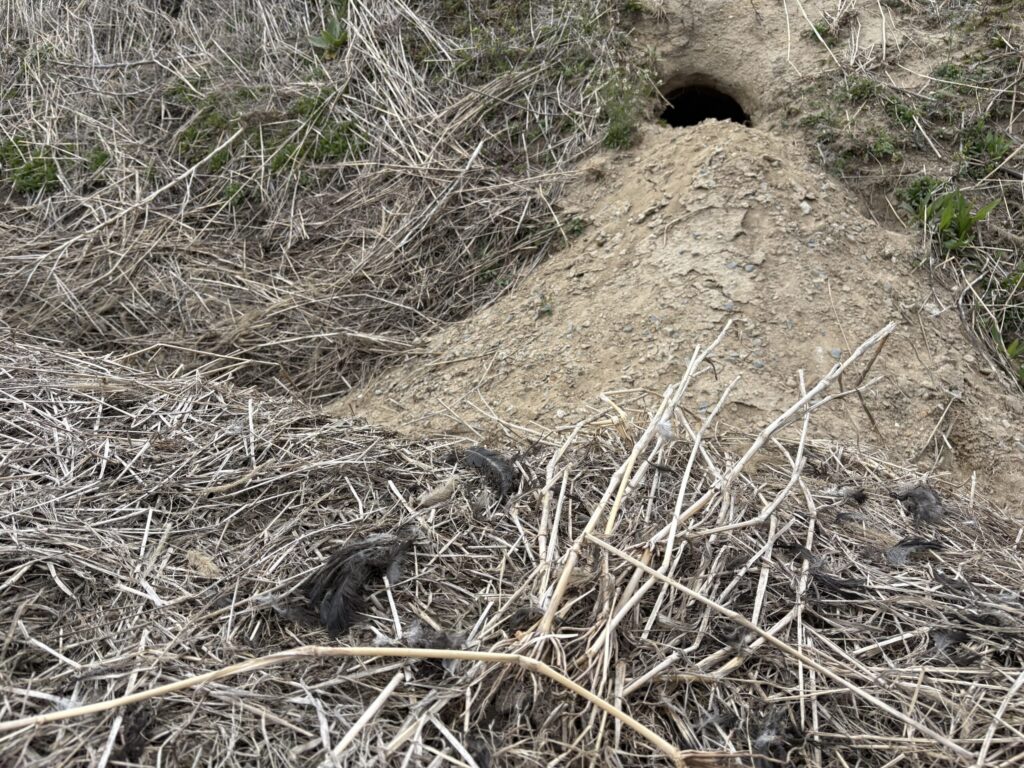
見つけた巣穴が使われているかどうかは周辺の痕跡から予測することができます。
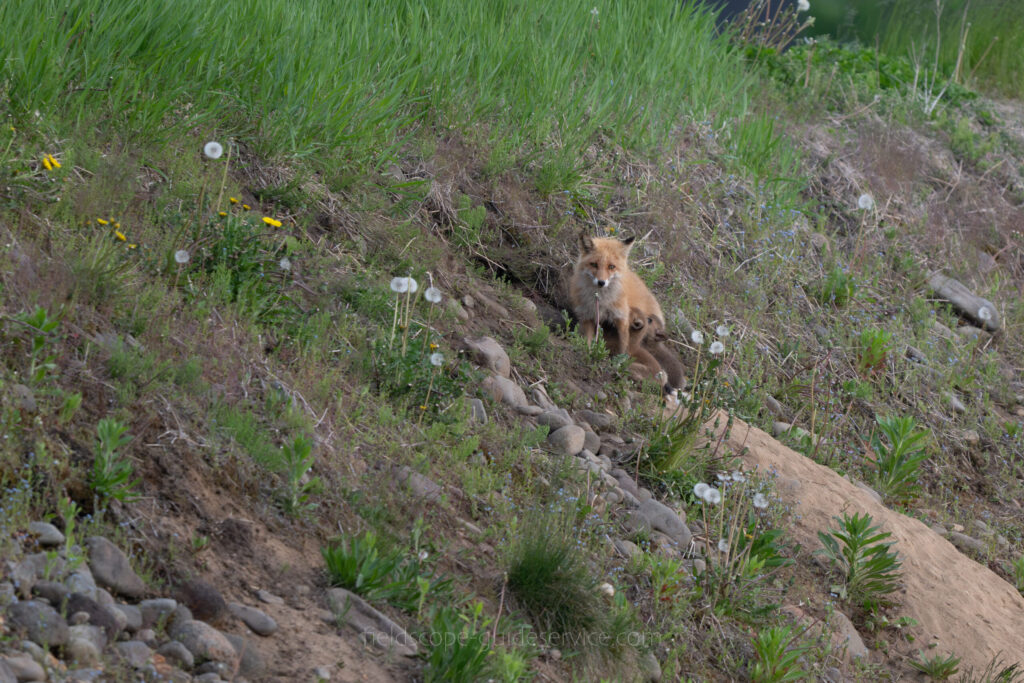
巣穴の側に抜けた毛が落ちていたり、糞があったり。足跡はどれくらいの頻度で付くのか、子ぎつねが出始めると穴のそばの土が踏み固められるので、そういった跡はないか。巣穴の外に親が置いた餌が無いか。食べた形跡があるか。
特に置き餌は重要です。
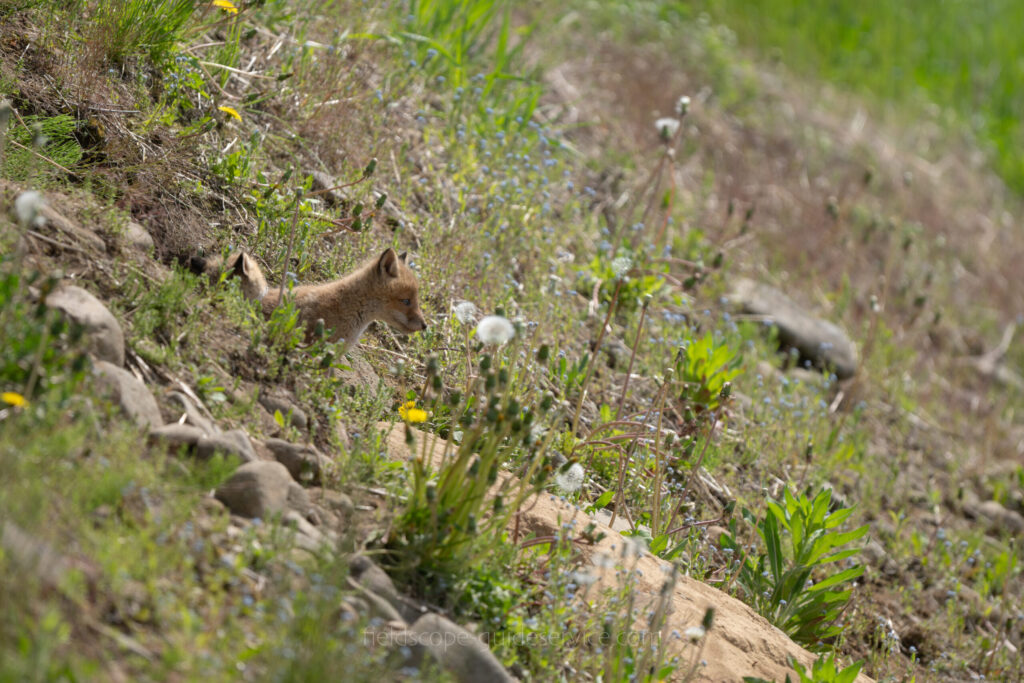
置き餌が始まると離乳が近い合図、おおよそ1週間以内に日中に子ぎつねが外に出始めます。
子どもたちは、まだお母さんのおっぱいを飲んでいますが、少しずつ固形物を食べ始めて慣らしていくようです
The snow melted early this year, and the season has been progressing quickly. I was hoping the foxes would come out of their burrows earlier, but in the end, they appeared later than usual.
There are many fox burrows, but just like with the Hokkaido flying squirrels, I have to do my research to see if they are suitable for photography. What time do they come out? How many pups are there? How do they behave? It has been a process of daily observation.
I can guess if a burrow is actively used by looking for signs around it. Are there shed hairs or droppings near the burrow? How often do new footprints appear? When the pups start coming out, the soil around the entrance gets packed down—are there signs of that? Is there any food left outside the burrow by the parents, or signs of eating?
Finding food left by the parents is especially important. It is a sign that the weaning period is near. Usually, within about a week after this starts, the fox pups will begin coming outside during the day.
The pups are still drinking their mother’s milk, but it seems they are slowly starting to eat solid food to get used to it.
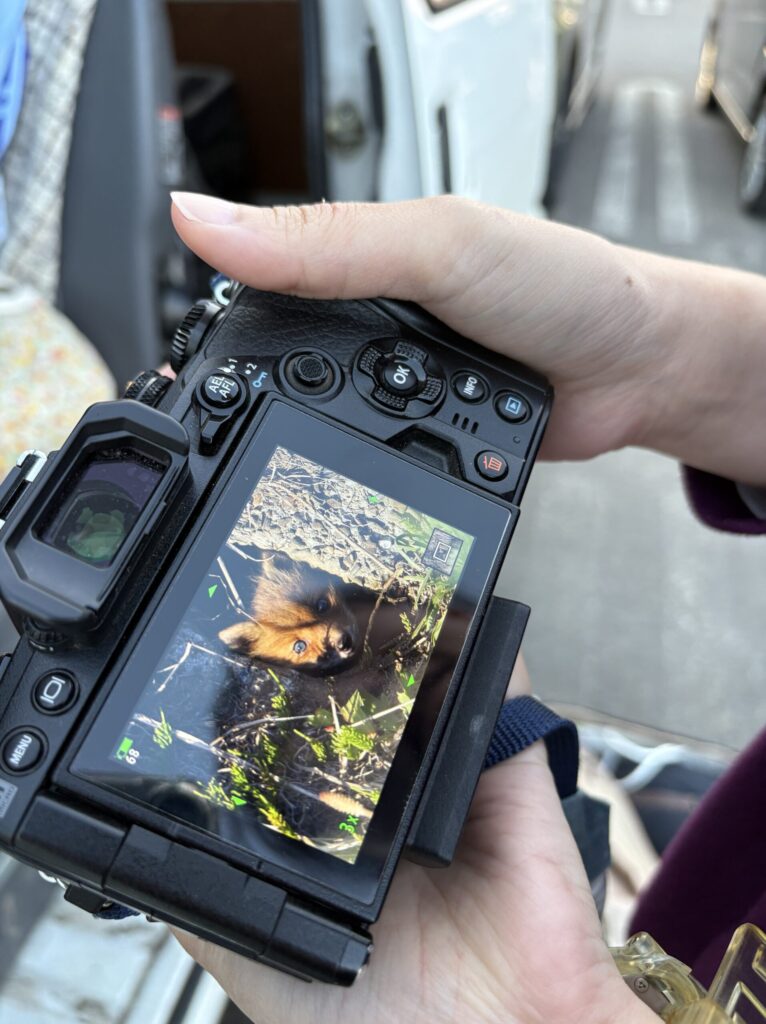
私がよくキタキツネを観察しているの場所には水田が多くあります。
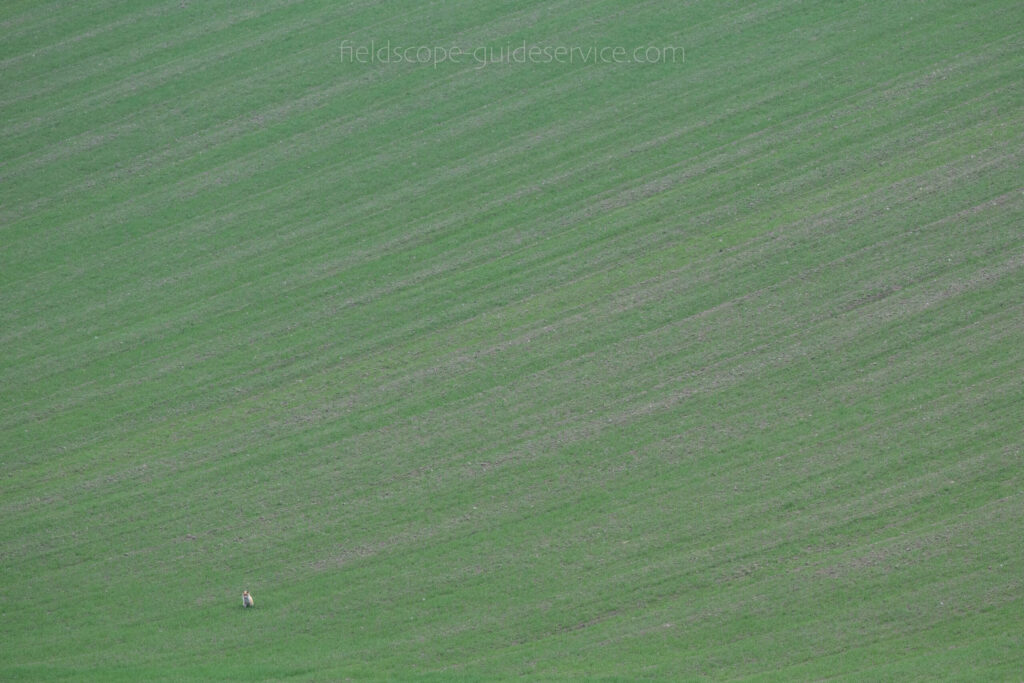
春になり、田んぼに水が張られると、そこは水鳥たちの貴重な生息地帯。そしてそれを狙うキタキツネたち。
可愛いあまり、子ぎつねにばかり気を取られますが、子育てをする親きつねをもっと見てみたいとも思いました。
There are many rice paddies in the areas where I often observe red foxes.
In spring, when the rice paddies are filled with water, they become a precious habitat for water birds. And naturally, the red foxes come looking for them.
The fox pups are so adorable that it is easy to get distracted by them. However, it made me realize that I also want to spend more time observing the parent foxes as they work hard to raise their young.
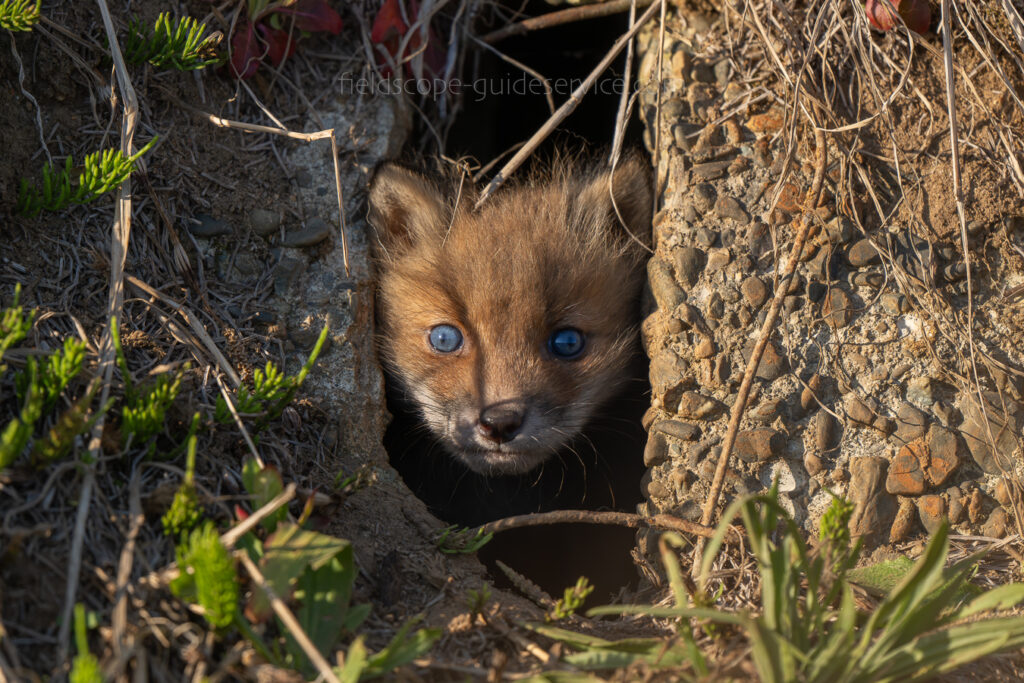
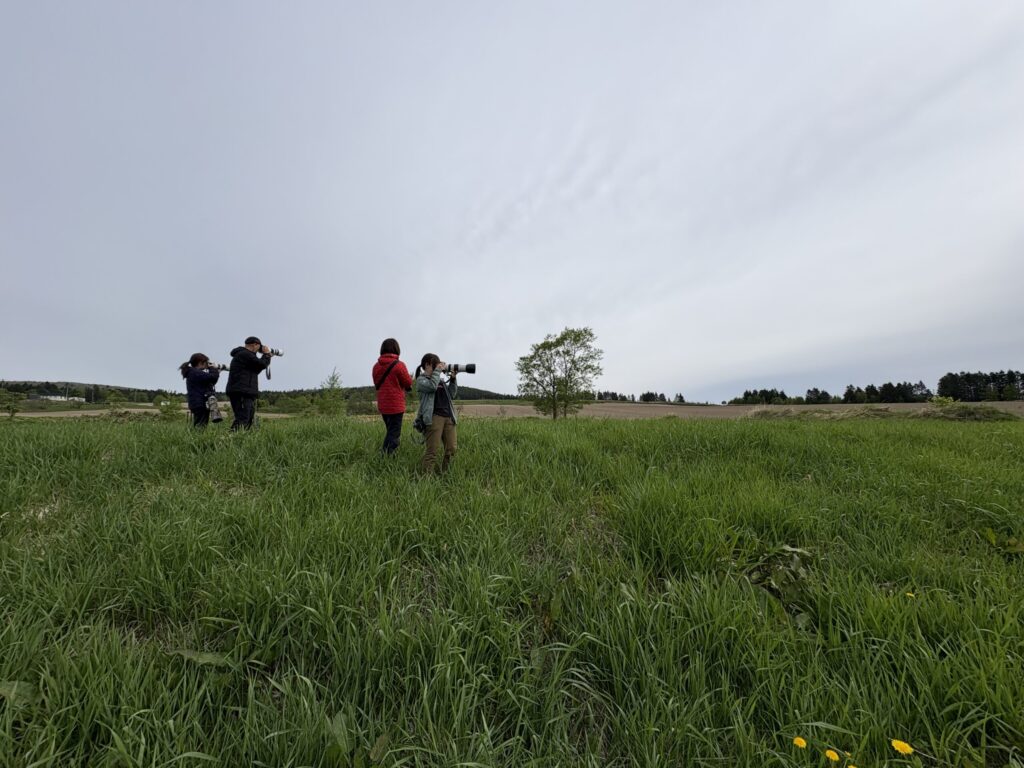
タフな日もありましたが、ゲストの忍耐力のおかげで、貴重な撮影もできました。
ゲストの皆様、ありがとうございました。
芽吹と子育てで自然界もソワソワしている、北海道の5月。
来シーズンの5月はすでに半分埋まってしまいましたが、まだ少し空きがあります。6月は・・・ごめんなさい、フライフィッシングのガイドで埋まりました。
ぜひ、春の北海道。一緒に楽しみましょう。
We had some tough days, but thanks to the patience of my guests, we were able to capture some very precious photos. Thank you so much to all the guests who joined my tours.
May in Hokkaido is a season when the natural world is full of energy, with fresh buds opening and animals busy raising their young.
My schedule for next May is already half-full, but there are still a few openings. As for June… I am sorry, but my guide schedule is completely full.
Please come and experience spring in Hokkaido. Let’s enjoy it together!